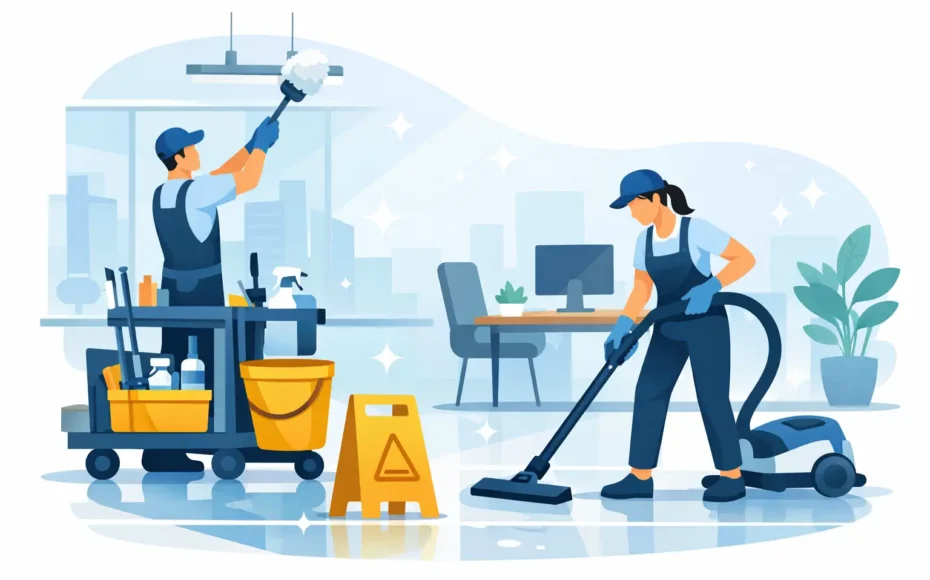
A clean lobby tells people what to expect before anyone says a word. The same goes for conference rooms, restrooms, break rooms, and shared workspaces. If you are figuring out how to do commercial cleaning, the goal is not just to make a space look better for a few hours. It is to create a cleaner, healthier environment that feels professional, consistent, and ready for business.
Commercial cleaning is different from routine home cleaning because the standards, traffic levels, and risk factors are different. Offices, retail spaces, medical-adjacent facilities, and managed properties all have their own priorities. Some need polished presentation front and center. Others need strict attention to touchpoints, restrooms, floors, or after-hours service that does not interrupt daily operations.
How to Do Commercial Cleaning With the Right Plan
The biggest mistake people make is starting with supplies instead of a plan. Good commercial cleaning begins with understanding the building, the people using it, and the level of cleaning required. A small office with low foot traffic will not need the same routine as a busy shared workspace or an Airbnb common area with constant turnover.
Start by walking the property and dividing it into zones. Entrances, reception areas, workstations, kitchens, restrooms, elevators, and high-touch surfaces should each have their own cleaning expectations. This helps you set a realistic schedule instead of treating every room the same way.
You also need to know the difference between daily maintenance and deeper periodic work. Emptying trash, disinfecting touchpoints, spot-cleaning glass, and restocking supplies are maintenance tasks. Machine floor care, carpet treatment, interior window washing, and detailed dusting are usually scheduled weekly, monthly, or as needed. When everything gets bundled together without a schedule, quality tends to slip.
Build a Scope Before You Start Cleaning
A proper scope of work keeps standards clear. It should outline what gets cleaned, how often, and to what level. This matters whether you manage your own cleaning team or hire a service partner.
For example, a restroom may require multiple cleanings per day in a busy facility, while a private office may only need full service several times a week. A front entrance with glass doors and hard floors will show dirt fast, especially during wet or snowy weather. That area needs more frequent attention than a storage room in the back.
The scope should also account for timing. Some businesses want cleaning completed after hours for privacy and convenience. Others need daytime porter support to keep restrooms, lobbies, and common areas presentable throughout the day. Neither approach is automatically better. It depends on traffic, budget, and how visible the cleaning process can be during business hours.
The Supplies and Equipment That Actually Matter
Commercial cleaning quality depends heavily on using the right tools for the surface and the setting. A general all-purpose spray and a roll of paper towels will only get you so far.
At a minimum, most commercial spaces need microfiber cloths, color-coded tools to prevent cross-contamination, disinfectants appropriate for the environment, mop systems, vacuums with strong filtration, glass cleaner, restroom cleaners, trash liners, and floor-specific products. If the building has carpet, hard flooring, or specialty surfaces, equipment should match those materials.
Eco-friendly products are also worth serious consideration. They support a healthier environment for staff, visitors, and cleaning crews, especially in enclosed spaces where strong chemical odors can become a problem. That said, green products still need to be effective. The best choice is one that balances safety, cleaning power, and compatibility with the surface.
Poor tool selection creates avoidable issues. The wrong chemical can dull finishes. The wrong mop can spread grime instead of removing it. The wrong vacuum can leave behind dust that settles again by morning. Commercial cleaning is not complicated for the sake of it, but details matter.
A Reliable Step-by-Step Cleaning Process
Once the scope is clear, the cleaning process should be consistent. Most commercial spaces benefit from a top-to-bottom, clean-to-dirty approach. That means dusting higher surfaces before cleaning desks, counters, and floors. It also means handling lower-risk areas before restrooms or trash zones to reduce contamination.
Begin by collecting trash and replacing liners. This clears the space and makes the rest of the work easier. Dust surfaces, ledges, vents, light fixtures within reach, and other areas where buildup is visible. Wipe desks, counters, tables, and shared equipment according to the agreed scope, paying special attention to touchpoints like door handles, switches, handrails, and appliance handles.
Restrooms need a stricter process. Clean and disinfect toilets, urinals, sinks, partitions, faucets, dispensers, and touchpoints thoroughly. Refill soap, paper products, and other essentials before leaving the space. In commercial settings, a restroom that is technically clean but poorly stocked still feels neglected.
Break rooms and kitchens should follow similar care. Food debris, fingerprints, spills, and sink buildup can quickly affect hygiene and odor. Clean exterior surfaces on appliances, sanitize counters and tables, and spot-check floors for sticky areas or crumbs.
Finish with floors. Vacuum carpeted areas carefully, especially along edges and under accessible furniture. Sweep and mop hard surfaces using the right cleaner for the material. Floors are one of the first things people notice, and one of the easiest areas to get wrong when crews rush.
High-Touch Areas Need More Attention Than You Think
If you want to know how to do commercial cleaning well, pay close attention to touchpoints. These are the surfaces people use constantly and rarely think about until they look dirty or contribute to the spread of germs.
Door pulls, elevator buttons, reception counters, shared keyboards, phones, break room handles, faucet levers, and restroom fixtures should be cleaned and disinfected on a routine that matches traffic. In a low-use office, once daily may be enough. In a public-facing facility, multiple rounds may be necessary.
This is one of the clearest places where cleaning plans should be customized. Over-cleaning empty areas wastes time. Under-cleaning shared surfaces creates complaints fast.
Training and Consistency Make the Difference
A checklist helps, but it is not enough on its own. Commercial cleaning standards depend on training, accountability, and repeatable systems. Staff should know not just what to clean, but how to clean it safely and effectively.
That includes proper dwell time for disinfectants, safe chemical handling, equipment use, cross-contamination prevention, and knowing when a surface needs specialty care. Training should also cover presentation. Chairs should be reset neatly. Supplies should be stocked. Smudges on entry glass should not be left behind because the floor was already done.
Consistency matters more than occasional perfection. A building that is cleaned well every visit will almost always outperform one that gets an inconsistent deep clean every now and then.
Common Commercial Cleaning Problems
Most cleaning issues come back to the same few causes. The scope is unclear, the schedule is unrealistic, the wrong products are being used, or nobody is checking the work. It is also common for businesses to underestimate how quickly high-traffic areas break down between cleanings.
Another issue is treating every account the same. A property manager turning over units has different needs than an office manager trying to maintain professional presentation five days a week. Construction cleanup has a different standard than routine janitorial work. If the method does not fit the space, the results will not hold up.
This is why many businesses prefer a full-service partner that can adapt cleaning support to the property instead of forcing the property into a generic package. At Brite En Shine, that commitment to dependable, high-standard service is what helps clients maintain spaces that feel cared for and ready for use.
When to Handle It In-House and When to Bring in Professionals
Some businesses can manage light daily cleaning internally, especially in smaller offices. But once a space has steady traffic, multiple restrooms, specialty flooring, or customer-facing presentation standards, in-house cleaning often becomes difficult to manage consistently.
Professional commercial cleaning brings structure, trained crews, better equipment, and a clearer standard of accountability. It can also save time for managers who should not be chasing supply orders, inspecting restrooms, or figuring out why the entry floor still looks dull after mopping.
The right approach depends on the size of the property, usage patterns, and how important appearance and hygiene are to the business. For many commercial operators, the best answer is a combination of regular professional service with targeted deep cleaning scheduled throughout the year.
Clean spaces support better work, better impressions, and fewer day-to-day distractions. When commercial cleaning is done right, people may not comment on every detail, but they notice the result. The space feels cared for, organized, and ready for whatever the day brings.