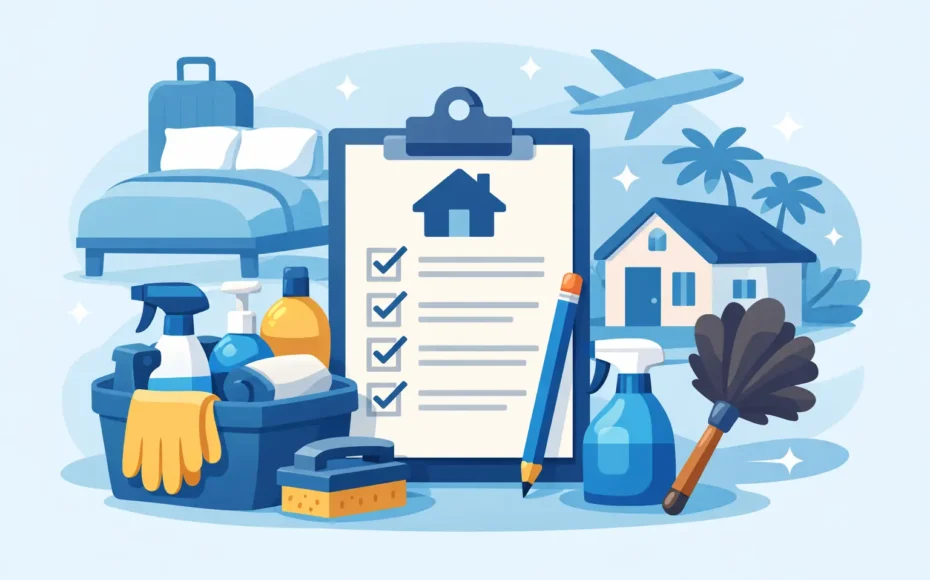
A five-star stay can fall apart over one missed detail. A hair in the shower, fingerprints on the fridge, or an empty coffee station can turn a smooth turnover into a guest complaint. That is why having an Airbnb cleaning checklist example matters. It gives hosts, property managers, and cleaning teams a clear standard to follow so every reset feels consistent, polished, and guest-ready.
For short-term rentals, cleaning is not just housekeeping. It is part of the product you are offering. Guests notice the obvious things, like fresh linens and clean floors, but they also notice the small signals that tell them the space has been cared for properly. A reliable checklist helps protect reviews, reduce last-minute stress, and keep turnover quality high even when schedules are tight.
What an Airbnb cleaning checklist example should actually do
A good checklist is not a long document filled with tasks no one realistically has time to finish between bookings. It should be practical, room-based, and easy to repeat. The goal is to create a system that works whether you clean the property yourself or hand it off to a professional team.
The best checklists do three things well. They cover hygiene, they protect presentation, and they include a quick restocking and inspection step before the next guest arrives. If any one of those pieces is missing, the property may look clean at first glance but still feel unfinished.
Airbnb cleaning checklist example by area
Below is a practical Airbnb cleaning checklist example that can be used for apartments, condos, and full homes. Some properties will need more detail, especially larger homes or high-traffic rentals, but this is a strong foundation.
Entry and first impression
Start at the front door, because that is where the guest experience begins. Wipe the entry door, handle, lock area, and any glass. Remove dust and cobwebs around the frame. Sweep or vacuum the entry floor, straighten mats, and make sure outdoor access looks tidy if applicable.
Check that the key, lockbox, keypad, or entry instructions are working as expected. If the first few minutes feel disorganized, guests often assume the rest of the property will be too.
Living room and common areas
Dust all visible surfaces, including shelves, tables, lamps, baseboards, and window ledges. Vacuum rugs and upholstery, then mop hard floors. Wipe down remote controls, switches, door handles, and other high-touch points.
Arrange cushions, fold throws neatly, and look at the room from a guest’s perspective. Smudges on the TV stand, crumbs in the sofa, or a lingering odor can stand out quickly in shared spaces. If the rental includes décor, keep it simple and orderly rather than crowded.
Kitchen
The kitchen needs both cleaning and reset work. Sanitize countertops, backsplash areas, cabinet handles, appliances, and the sink. Clean inside the microwave, wipe the refrigerator shelves and exterior, and check the oven or stovetop for grease or spills.
Run through dishes, utensils, and cookware to make sure they are clean and put away properly. Empty trash and replace liners. Restock essentials such as dish soap, paper towels, garbage bags, and any host-provided coffee or tea items.
This is one area where speed can create mistakes. A kitchen may look fine from the doorway while still hiding crumbs in drawers, fingerprints on stainless steel, or leftover food in the fridge. The checklist should force a close look.
Bedrooms
Strip used linens, inspect the mattress area, and make the bed with fresh sheets and clean pillowcases. Dust nightstands, lamps, dressers, headboards, and closet shelves. Vacuum floors thoroughly, including under the bed if accessible.
Check for items guests may have left behind, and inspect bedding for stains, hair, or damage before remaking the room. Presentation matters here. Beds should feel crisp, pillows should be arranged evenly, and extra blankets should be folded cleanly.
Bathrooms
Bathrooms carry the highest hygiene expectations, so this section should be detailed. Scrub and disinfect the toilet, sink, tub, shower walls, shower door, faucets, and counters. Polish mirrors, wipe cabinet fronts, and mop the floor carefully around the base of the toilet.
Replace used towels with fresh ones, restock toilet paper, hand soap, and other guest supplies, and check drains for hair or buildup. If the bathroom has grout staining, hard water spots, or mildew issues, a standard wipe-down may not be enough. Those deeper maintenance issues should be handled on a recurring schedule so the room stays guest-ready.
Laundry and linen reset
Wash all used sheets, towels, bath mats, and kitchen linens according to fabric type and drying needs. Inspect everything before returning it to service. If linens are stained, worn, or mismatched, they lower the overall standard even in an otherwise clean unit.
Hosts with same-day turnovers often keep backup linen sets to avoid delays. That is usually worth it. It reduces pressure and gives the cleaning process room to stay thorough rather than rushed.
Supplies and amenities
A turnover checklist should always include restocking. That usually means toilet paper, paper towels, hand soap, dish soap, trash bags, sponges, shampoo, conditioner, body wash, coffee supplies, and laundry pods if those are part of the guest offering.
It also helps to check light bulbs, batteries in remotes, and the condition of small essentials like hangers, coasters, or hair dryers. Guests may not mention these things in every review, but they notice when they are missing.
The final walkthrough matters as much as the cleaning
One of the most common mistakes in short-term rental cleaning is finishing the tasks without doing a final quality check. Cleaning and inspection are not the same thing. A cleaner may complete every room and still miss an issue that only stands out at the end.
Walk through the property as if you were arriving for the first time. Turn on lights, open the curtains, check for odor, confirm the temperature feels comfortable, and make sure the home is staged neatly. Look at mirrors from different angles, inspect floors in natural light, and verify that trash has been removed completely.
This final pass is also the time to spot damage, maintenance concerns, or low inventory before a guest reports them.
How detailed should your checklist be?
It depends on the size of the property, the type of guests you host, and how often you turn the unit over. A studio apartment used mainly for business travel may need a tight, fast checklist with a strong focus on bathroom, kitchen, and bed reset. A larger family rental may need added checks for bunk rooms, patios, grills, laundry rooms, and kid-friendly items.
There is a trade-off here. If the checklist is too basic, quality slips. If it is too long and complicated, people stop using it consistently. The right version is specific enough to protect standards and simple enough to follow every time.
Why hosts often hand this off to professionals
Short-term rental cleaning has less margin for error than standard residential cleaning. Turnovers are time-sensitive, expectations are high, and every missed detail can affect ratings. For hosts managing multiple listings, self-managing the cleaning process often becomes the bottleneck.
That is where a professional team can make a real difference. A service partner that understands turnover timing, presentation standards, and supply checks can help keep the property consistently ready between guests. For busy hosts and property managers, that consistency is often more valuable than doing the work personally.
At Brite En Shine, that is exactly the kind of reliability clients look for – clean spaces done right, every time.
Make your Airbnb cleaning checklist example fit your property
The smartest approach is to start with a core checklist and then tailor it to your rental. Add steps for anything unique, such as hot tubs, pet-friendly stays, balconies, fireplaces, or self-check-in technology. If guests regularly comment on certain features, those areas should have a place on the checklist.
It also helps to update the checklist based on real turnover experience. If your team keeps missing under-bed dust, add it clearly. If guests often use extra blankets, include those in the linen reset. A checklist should not be static. It should improve as your hosting operation gets sharper.
A clean rental does more than look good in photos. It gives guests confidence the moment they walk in, supports better reviews, and makes turnovers easier to manage under pressure. When your cleaning process is clear, repeatable, and built around guest expectations, the whole hosting experience runs better. A strong checklist is not extra admin work. It is one of the simplest ways to protect your standards and your peace of mind.