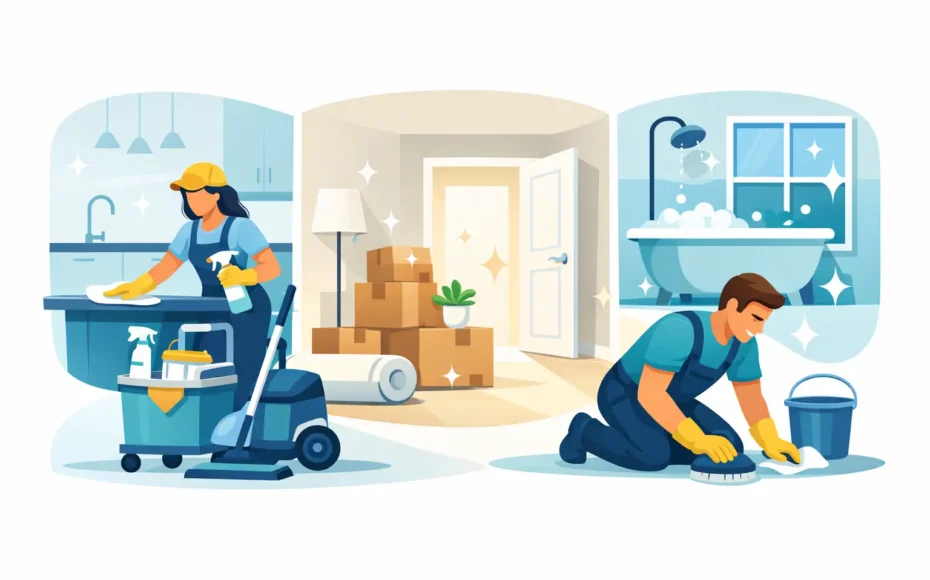
The final walkthrough is scheduled, the boxes are gone, and suddenly every smudge on the wall and crumb in the cabinet stands out. If you are asking what does move out cleaning include, the short answer is this: far more detail than a regular weekly clean. Move-out cleaning is designed to leave the property fresh, sanitary, and ready for the next occupant or inspection.
That matters whether you are a renter trying to protect your security deposit, a homeowner preparing to sell, or a property manager trying to turn a unit quickly. A proper move-out clean focuses on the spots people usually live around for months without noticing, then addresses them room by room with a higher standard of detail.
What does move out cleaning include in most homes?
In most cases, move-out cleaning includes a deep clean of the entire empty property. That usually means dusting all reachable surfaces, wiping baseboards, cleaning doors and door frames, spot-cleaning walls where needed, vacuuming, and mopping floors. It also includes detailed work in the kitchen and bathrooms, where buildup tends to be heaviest.
The key difference is that empty spaces reveal everything. Once furniture is removed, there is nowhere for dust, scuff marks, and neglected corners to hide. A service that looks clean during everyday living can fail an inspection once the home is vacant.
Some companies also include interior windows, light fixtures, vents, closet shelving, and appliance exteriors as part of the standard scope. Others treat certain items as add-ons. That is why expectations should always be confirmed before the appointment, especially if a landlord, buyer, or management company has a checklist.
Kitchen cleaning is usually the most detailed part
The kitchen tends to require the most time because grease, food residue, and cabinet dust build up gradually. Move-out cleaning typically includes wiping countertops, backsplashes, sink basins, faucets, cabinet fronts, and the exterior of major appliances. Inside cabinets and drawers are also commonly cleaned, since they need to be ready for the next resident.
Appliance cleaning is often where the biggest questions come up. Many move-out cleanings include the exterior of the refrigerator, oven, dishwasher, and microwave as standard. Interior cleaning may also be included, but not always at the same level. For example, a lightly used microwave is simple, while a heavily soiled oven can take much longer and may be priced separately.
The refrigerator usually needs more than a quick wipe. Shelves, drawers, door bins, and seals often collect spills and crumbs. If the appliance is unplugged and defrosted ahead of time, cleaning can be more thorough and efficient. The same goes for ovens – baked-on residue can be removed, but the level of buildup affects both time and cost.
Bathrooms need a sanitizing-level clean
Bathrooms are another high-priority area because they are judged quickly and remembered easily. A standard move-out clean generally includes scrubbing and disinfecting toilets, tubs, showers, sinks, counters, mirrors, and fixtures. Soap scum, hard water marks, and product residue are usually addressed as part of the detail work.
Cabinets, drawers, tile surfaces, and floors are also cleaned, along with the toilet base and the areas behind and around it. Exhaust fan covers, light dust, and fingerprints on doors are often included too. The goal is not just to make the room look tidy, but to leave it hygienic and ready for immediate use.
If mildew, staining, or mineral buildup is severe, results may depend on surface condition. Cleaning can remove grime, but it cannot always reverse damage, aging, or worn finishes. That distinction matters during move-out situations because clients sometimes expect restoration when the real need is maintenance or repair.
Bedrooms, living areas, and hallways still need detail work
These rooms may seem simpler, but they often contain the small issues that affect an inspection most. Move-out cleaning usually includes dusting ledges, wiping trim, cleaning closet shelves and rods, removing cobwebs, vacuuming carpet edges, and mopping hard floors. Switch plates, handles, and high-touch points may also be wiped down.
If there are marks on walls or doors, many cleaners will spot-clean them where possible. Scuff removal depends on paint finish and wall condition, so it is usually handled with care. Aggressive scrubbing can damage flat paint, which means a professional team has to balance appearance with surface safety.
Closets are often overlooked during packing, but they matter. Dust, hanger fragments, and debris on shelves can make an otherwise clean unit feel unfinished. A complete move-out clean treats closets like usable rooms, not storage zones to skip.
Floors, baseboards, and edges make a big difference
One of the clearest signs of a true move-out clean is attention to floor detail. Open floor space makes dust lines, corner buildup, and baseboard grime easy to see. Vacuuming and mopping are expected, but a thorough service also focuses on edges, under accessible appliances, and around trim.
Carpeted homes may need more than vacuuming, especially if there are pet odors, tracked-in dirt, or visible staining. In some move-out situations, carpet cleaning is strongly recommended or required. It may not be included in basic move-out pricing, but adding it can improve presentation and help meet lease terms.
Hard floors need the right method for the surface. Wood, laminate, vinyl, and tile all respond differently to moisture and products. A professional service should clean them thoroughly without leaving haze, residue, or avoidable damage.
What is often included, and what may cost extra
When people search what does move out cleaning include, they are usually trying to avoid surprise charges. That is a smart concern, because not every cleaning scope is identical.
Commonly included tasks are general dusting, bathroom sanitizing, kitchen surface cleaning, vacuuming, mopping, and cleaning the inside of empty cabinets and drawers. Frequently optional items include inside ovens, inside refrigerators, interior windows, blinds, garage sweeping, balcony cleaning, carpet shampooing, wall washing, and heavy stain removal.
There is also a difference between standard soil and excessive buildup. If a property has been vacant for months, has pet-related issues, or has not been maintained consistently, the job may move beyond standard move-out cleaning into a more specialized deep-clean category. That does not mean it cannot be handled. It just means the scope should be priced honestly.
Why professional move-out cleaning is often worth it
A move already comes with enough logistics – packing, forwarding mail, changing utilities, scheduling movers, and managing deadlines. Cleaning an empty property sounds simple until you are doing it at the end of a long moving day with limited supplies and no time cushion.
Professional move-out cleaning helps reduce that pressure. It also creates consistency. Instead of rushing through visible surfaces, a trained team works through the property with a system, paying attention to the areas people commonly miss. For renters, that can support deposit protection. For sellers and property managers, it helps the space show better and turn over faster.
For busy households and rental owners, reliability matters as much as the cleaning itself. A service like Brite En Shine is built around that expectation – clear communication, dependable scheduling, and work completed to a high standard with care for the property.
How to prepare for a move-out cleaning appointment
The best results happen when the property is mostly or fully empty. Cleaners can work faster and more thoroughly when furniture, boxes, and personal items are out of the way. Utilities should still be on, especially water and electricity, so bathrooms, kitchens, and floors can be cleaned properly.
If you want inside appliances cleaned, empty them in advance. If the refrigerator needs detailed interior work, defrosting it early can save time. It also helps to share any inspection checklist from a landlord or property manager before the appointment so expectations match the actual service.
Photos can be helpful too, especially for larger homes or properties with problem areas. A clear scope at the start leads to better results and fewer last-minute adjustments.
What does move out cleaning include for renters and landlords?
For renters, the priority is usually deposit return and leaving on good terms. That means focusing on kitchen appliances, bathrooms, floors, and all the little details that suggest the unit has been responsibly maintained. For landlords and property managers, the goal is different but related – present the unit quickly, minimize downtime, and make a strong impression on the next tenant.
The cleaning itself may be similar, but the standards can shift depending on the situation. A renter may only need the unit inspection-ready. A landlord may want it guest-ready for showings or immediate occupancy. That is why the best move-out cleaning services are flexible enough to match the property’s next step.
A clean move is not just about appearance. It is about handing off the space with confidence, without wondering what was missed. When the last box is gone, that peace of mind is worth a lot.